
Charging Power: Lithium as a Critical Metal for the Supply Chain
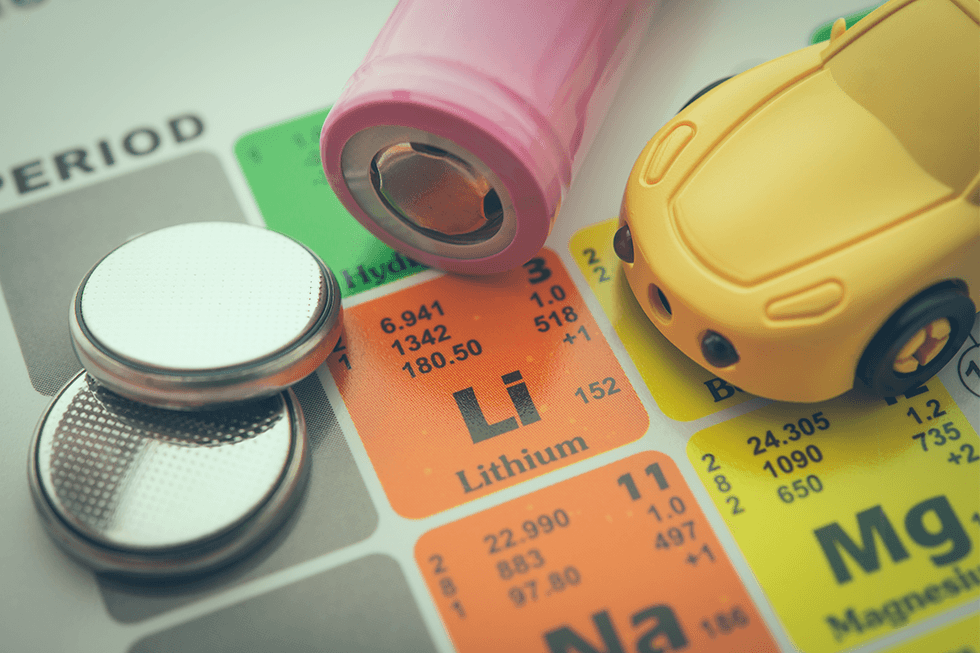
As nations and international organizations set ambitious climate and sustainability goals, commodity prices have soared and supply chains have entered a state of flux. Geopolitical volatility, trade disputes and resource events such as the war in Ukraine and lockdowns in China magnified the trend, exposing the vulnerabilities of Western energy dependence and pushing critical minerals to the forefront for governments and investors.
Countries like Canada and the US have established lists of critical minerals or materials deemed essential to national security and economic prosperity. However, most of these remain sourced from volatile or monopolized foreign jurisdictions. While the energy transitions of the past relied on fossil fuels, the current shift toward sustainability runs on metals. Among the resources at the center of this paradigm shift is lithium.
The supply-demand weight
The June 2026 edition of UN Trade and Development’s Global Trade Update highlights that critical minerals are reshaping global trade as demand surges.
Lithium, specifically, is expected to see a rise in demand by more than 350 percent by 2040. The metal has slowly earned its spot in the renewable energy transition, largely due to its use in manufacturing. Accounting for 87 percent of the total demand is its application in rechargeable batteries for electronics, electric vehicles (EVs) and grid storage. Analysts note that EVs have emerged as a primary catalyst for this historic demand surge, completely transforming the global automotive landscape.
Beyond this demand is the issue of concentration, as supply chains remain highly concentrated. In 2025, Australia, Chile and China together produced over 70 percent of the world’s lithium. This leaves behind giants like Canada and the US in terms of securing upstream supply lines, an irony considering their designation of lithium as a critical mineral.
“The challenge for many mineral-rich developing countries is that they keep exporting raw materials while higher-value processing and manufacturing take place elsewhere,” the UN noted.
Achieving true domestic independence requires scaling up a localized, closed-loop supply chain. This creates an urgent imperative to back domestic projects that offer high-upside resource potential in premier geographic locations.
Why jurisdiction and local infrastructure matter
It is important to note that not all mineral deposits are created equal. An exploration project situated in a faraway location without any power, roads or water infrastructure faces prohibitively costly capital expenditures that can make such a project uneconomical despite the size of the resources. Conversely, a project located in a favorable mining jurisdiction with inherent logistics will likely traverse the path from exploration to development a little more easily.
This is where the…
Read More: Charging Power: Lithium as a Critical Metal for the Supply Chain