
Copper’s Second Act: How Processed Tailings Can Aid in Rising Demand
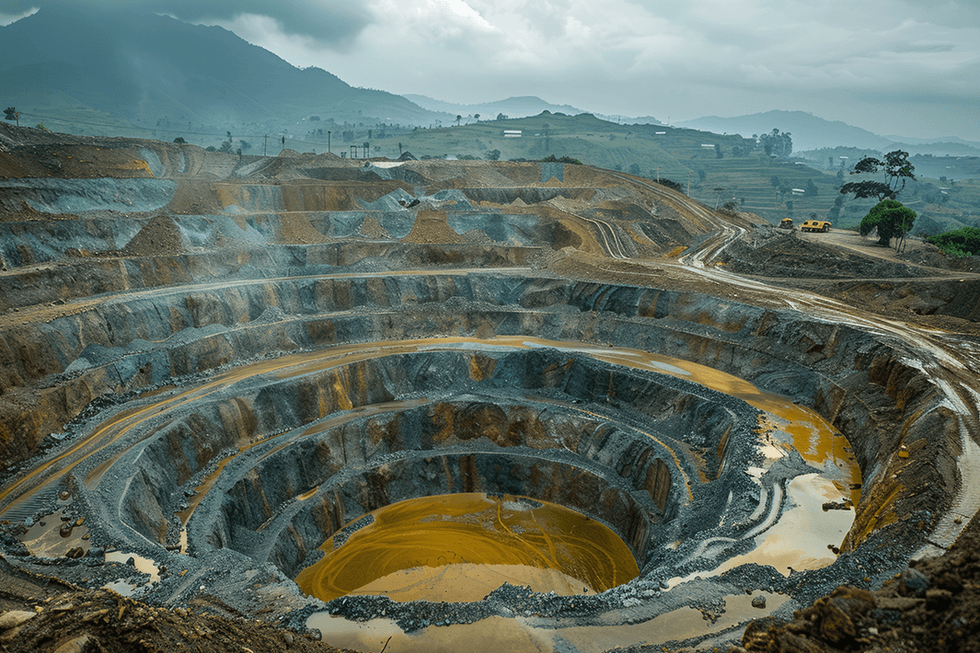
The looming copper supply gap won’t close through mine production alone. Part of the answer lies in processing waste that historical mining left behind.
Data from the University of Queensland’s Sustainable Minerals Institute estimates that approximately 13 billion metric tons of mine tailings are generated every year. Copper, in particular, has seen a bulk of tailings due to constant activity.
The University of Arizona said that the past century of major mining has generated an estimated 17.5 billion metric tons of copper tailings, with upwards of 200 million metric tons now added annually and “more to come” as more copper is mined.
In historical mining areas like the Democratic Republic of Congo (DRC), decades of activity have also left large volumes of copper tailings, calling for new technology that could change how these waste materials are processed and valued.
Canadian resource and extraction company CoTec Holdings (TSXV:CTH,OTCQX:CTHCF) answers through its joint venture with US-listed and DRC-focused Copper Intelligence (OTCID:CUAI), a partnership that combines the acquisition and advancement of copper tailings projects with modern processing technologies.
Copper’s projected demand and deficit
A study from S&P Global shows that overall copper demand will jump about 50 percent by 2040, rising to 42 million metric tons and potentially creating a 10 million metric ton supply deficit. Much of this is attributed to “the accelerating pace of electrification,” coupled with the emerging AI and defense sectors.
Demand from data centers alone is expected to reach up to 2.5 million metric tons by 2040, with copper employed for its signal transmission, power transfer and thermal control capacities.
Mining remains the primary source of copper and is currently providing the short-term supply. The Society for Mining, Metallurgy & Exploration notes that current mines are running out of ore or nearing exhaustion. New supply will also not meet the 2040 deadline, as the average time to bring a copper mine from discovery to production is 17.9 years.
S&P estimates that aggressive recycling could provide about a third of total copper needs by 2040, and the International Energy Agency said that it reduces new mine development needs by 40 percent by 2050. While these statistics seem promising, they point to the fact that adding recycling alone will not close the gap.
Tailings as supplemental sources
In 2021, Bloomberg reported that roughly 43 million metric tons of copper are sitting idle in waste dumps across mines worldwide. What makes tailings attractive, aside from global quantity, is that they no longer require time for exploration, or mining and crushing ore. The material is already sitting on the surface; what’s left is proper processing and management to unlock its value.
Tailings were deemed uneconomical in the past…
Read More: Copper’s Second Act: How Processed Tailings Can Aid in Rising Demand