
Hidden Gem: How Intrusion-related Gold Deposits Could Fuel Next-generation
With the gold price continuing to hover near all-time highs and major producers scouring the globe for new large-scale deposits, one type of gold system is emerging as a potential game changer.
Intrusion-related gold systems (IRGS) have already yielded multimillion-ounce mines, like Kinross Gold’s (TSX:K,NYSE:KGC) Fort Knox in Alaska, and sparked billion-dollar acquisitions, such as Northern Star Resources’ (ASX:NST) AU$5 billion purchase of De Grey Mining in Australia. Even so, these deposits remain largely under the radar for most investors, and their full investment potential is only beginning to be understood.
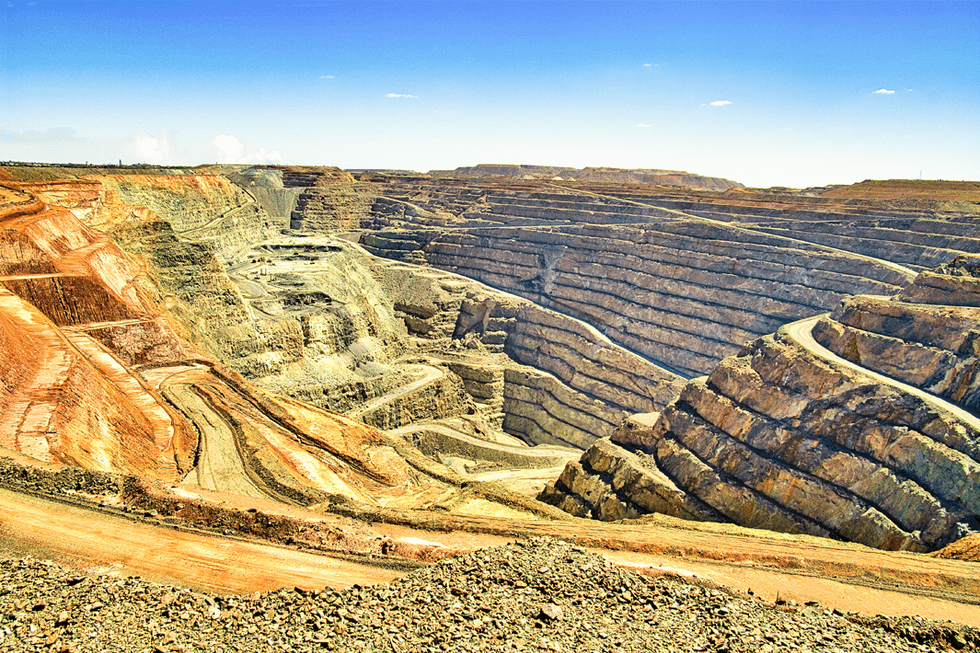
Traditional high-grade vein systems often require deep, high-cost underground mining. IRGS deposits, however, form broad, consistent zones of mineralisation that lend themselves to large-scale, open-pit development. These geological systems are particularly attractive in today’s market as they offer scale, longevity and a clear path to resource growth, which are critical at a time when new gold discoveries are becoming increasingly rare.
Given their geological and economic advantages, IRGS deposits are gaining attention from the world’s most experienced geologists and savvy resource investors.
Geology and controversy
IRGS forms when granitic magma intrudes into older country rock, generating heat and pressure that cause metal-rich hydrothermal fluids to migrate outward. As these fluids cool, they deposit gold — often accompanied by bismuth, tellurium and tungsten — within both the intrusion and surrounding host rocks. Unlike traditional high-grade vein systems, IRGS deposits typically develop broad zones of mineralisation that can extend for hundreds of meters in width, with gold distributed in disseminated sulphides and sheeted quartz veins rather than concentrated in narrow lodes.
Though often lower in grade, generally ranging from 0.5 to 2 grams per ton, their scale and uniformity make them ideal for large-scale, open-pit mining. IRGS deposits also tend to occur in clusters along regional fault corridors that span tens of kilometers, allowing for the possibility of multiple mineralised centers within a single district. This combination of features offers the potential for long mine lives and relatively low development risk.
As a new yet economically relevant type of deposit system, IRGS remains a topic of debate within the geological community. Some researchers question whether IRGS represents a truly distinct deposit class or simply a variant of orogenic or porphyry systems, shaped by local geological conditions.
The lack of universally agreed-upon diagnostic features, such as consistent fluid chemistry or mineral zoning, can make them difficult to distinguish in the field. Unlike epithermal systems, for example, IRGS typically lack high-sulphidation alteration and strong vertical metal zoning, adding complexity to exploration.
While this ambiguity can be…
Read More: Hidden Gem: How Intrusion-related Gold Deposits Could Fuel Next-generation