
Gold Rush 2.0: Why California is Poised for a Mining Renaissance
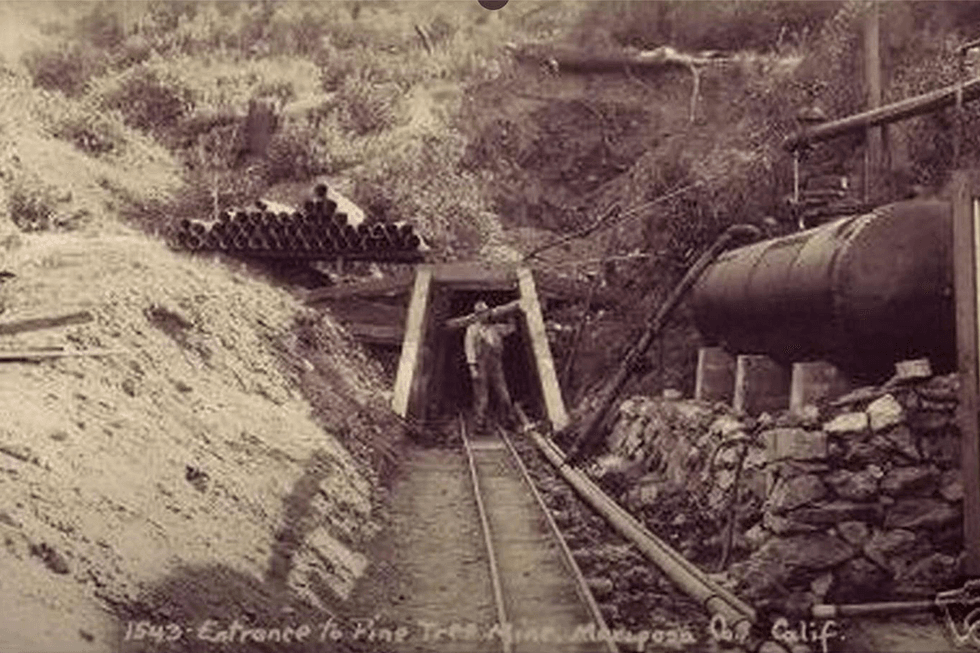
With modern technology, a rising gold price and renewed government support for domestic mineral production, mining companies and investors are taking a second look at historic districts and brownfield projects once considered uneconomic — and California’s long-overlooked gold deposits are squarely back in focus.
The California Gold Rush of 1848 wasn’t just a pivotal moment in American history — it was one of the most profitable mineral booms ever recorded. Sparked by a discovery at Sutter’s Mill, the gold rush drew over 300,000 people and produced more than 25 million ounces of gold, much of it from the now-famous Mother Lode Belt.
At the peak of the gold rush, California was producing nearly 1 million ounces per year, including an estimated 1.4 million ounces from the Mariposa District alone. However, the low price of gold at the time and limitations with mining methods during the 19th and early 20th century, have left much of the gold-bearing rock unmined.
In 1942, the US government suspended domestic gold mining to redirect labor and resources toward the war effort, effectively ending large-scale mining in the state. Many operations never resumed, leaving significant in-ground mineral potential untapped.
Today, California remains an important resource-producing state. According to the California Department of Conservation, the state hosts 700 active mines, including 14 gold mines.
California is also a key domestic energy hub — as of early 2025, 123,000 barrels of oil and 159 million cubic feet of natural gas are produced daily, according to California Resources Corporation.
Geopolitics and rising gold prices: A prime investment opportunity
The gold price climbed to around US$3,364 per ounce in July 2025, with analysts from firms like JPMorgan Chase (NYSE:JPM) projecting an increase to US$3,675 by year end.
The trend has sparked heightened interest in the gold mining sector as investors look to leverage this upward trajectory. This comes amid rising geopolitical tensions, volatile monetary policy and growing political uncertainty in major economies — conditions that have historically increased demand for gold as a safe-haven asset.
This surge is also aligning with favorable policy shifts. The Trump administration’s March 2025 executive order to expedite the extraction of critical minerals — including gold — is expected to streamline permitting timelines, particularly for projects in domestic US jurisdictions.
As a result, companies are increasingly turning to historically prolific but previously overlooked mining regions, such as parts of California, which had fallen out of favor due to cost, regulatory or price-related barriers. The combination of high prices, strategic urgency and permitting reform is making these areas viable again.
Federally designated Opportunity Zones are even more attractive to investors as they provide incentives like capital gains…
Read More: Gold Rush 2.0: Why California is Poised for a Mining Renaissance